





Solar Panel Lifespan: Key Factors That Affect How Long Solar Panels Last
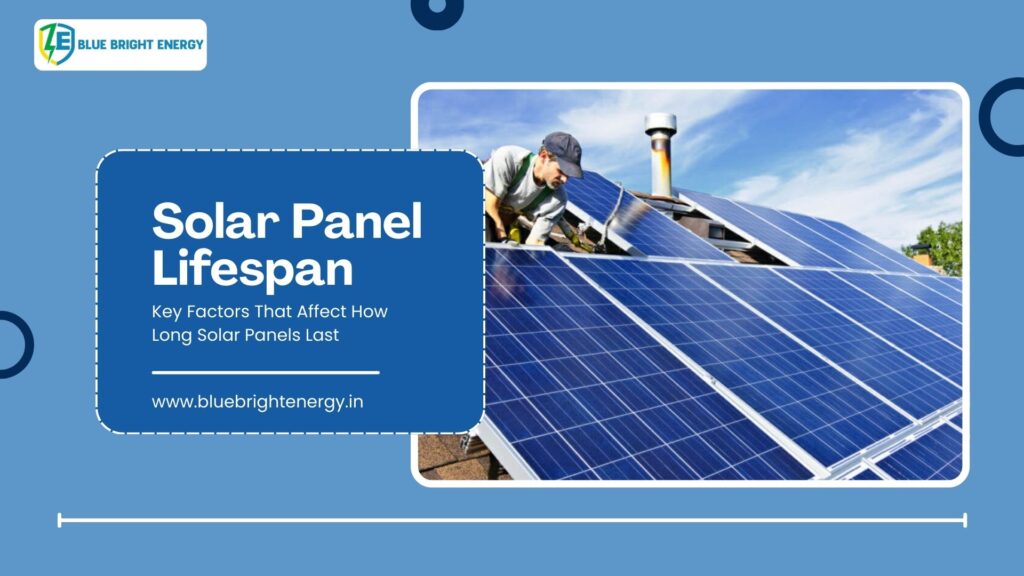
When you invest in solar energy, you expect it to work reliably for decades. The good news is—most solar panels are built to do exactly that. Today’s solar panels typically come with 25 to 30-year warranties, ensuring long-term power generation with minimal performance loss.
However, solar panels do not stay at peak efficiency forever. Over time, they slowly lose output. This is normal and predictable. What matters most is how fast that degradation happens and what influences it.
Let’s break down the real factors that affect solar panel lifespan, so you know how to get the best value from your solar investment.
What Does Solar Panel Lifespan Really Mean?
The lifespan of a solar panel refers to the number of years it can generate usable electricity—usually until its output drops to about 80% of its original capacity.
Most manufacturers offer:
- 25-year performance warranties
- Guaranteed minimum output at the end of the warranty period
In many cases, high-quality solar panels continue producing power well beyond 30 years, just at slightly reduced efficiency.
Understanding Solar Panel Degradation
Solar panel degradation is the gradual drop in energy production each year.
Typical degradation rates:
- High-quality solar panels: 0.3%–0.5% per year
- Average panels: 0.6%–0.9% per year
- Lower-quality panels or harsh conditions: 1% or more per year
For example, a panel degrading at 0.5% per year will still operate at around 88–90% efficiency after 25 years. This is why panel quality matters more than initial price.
Key Factors That Affect Solar Panel Longevity
1. Material and Manufacturing Quality
The type of solar panel and how well it’s built directly affect how long it lasts.
- Monocrystalline solar panels generally degrade slower and last longer
- High-quality sealing, soldering, and connectors prevent moisture and electrical failure
- Strong quality control during manufacturing reduces long-term defects
Cheaper panels may work initially but tend to lose efficiency faster.
2. The Role of Solar Panel Frames
The solar panel frame protects the panel structure and internal components.
Aluminum frames are widely considered the best option because they:
- Resist corrosion
- Handle temperature changes well
- Stay strong without adding excess weight
- Protect panel edges and seals over time
Compared to steel or plastic frames, aluminum frames significantly improve long-term durability, especially in Indian weather conditions.
3. Environmental and Climate Conditions
Solar panels face constant exposure to nature.
- Heat and cooling cycles cause materials to expand and contract, stressing joints
- Humidity and rainfall can lead to corrosion if sealing fails
- UV exposure slowly degrades plastics and coatings
- Wind, dust, and debris can cause micro-cracks and surface damage
Panels installed in moderate climates with proper design tend to degrade slower.
Installation, Maintenance, and Monitoring
Proper Installation Is Critical
Incorrect tilt, poor mounting, or weak sealing can cause:
- Water leakage
- Structural stress
- Electrical failures
Even the best panel performs poorly if installed incorrectly.
Regular Maintenance Extends Lifespan
Solar panels need minimal care, but not zero care.
- Clean dust, bird droppings, and debris
- Check frames, seals, and wiring periodically
- Inspect for cracks or hotspots
Simple maintenance can add years of effective performance.
Performance Monitoring
Monitoring helps detect small output drops early, allowing quick fixes before damage spreads.
Why Aluminum Frames Quietly Extend Solar Panel Life
Aluminum frames play a major but often overlooked role in panel longevity.
Key advantages:
- Lightweight yet strong, reducing structural stress
- Naturally corrosion-resistant
- Better tolerance to temperature changes
- Easy to maintain and fully recyclable
By protecting panel edges and seals, aluminum frames help panels maintain shape, strength, and output over decades.
What Lifespan Can You Expect?
Based on degradation rates:
| Degradation Rate | After 10 Years | After 20 Years | After 25 Years |
| 0.3% per year | ~97% | ~94% | ~93% |
| 0.5% per year | ~95% | ~90% | ~88% |
| 0.8% per year | ~92% | ~84% | ~80% |
| 1.0% per year | ~90% | ~81% | ~78% |
Panels in moderate climates with regular maintenance perform best.
How to Make Solar Panels Last Longer
- Choose high-quality solar panels
- Prefer aluminum-framed panels
- Ensure professional solar installation
- Clean panels periodically
- Monitor performance regularly
- Avoid heavy shading and dust-prone areas
Final Thoughts
Solar panels are designed to deliver clean, reliable energy for decades. While performance naturally declines over time, the rate of that decline depends on panel quality, frame material, climate, installation, and maintenance.
One of the biggest contributors to long panel life is the aluminum frame, which protects against corrosion, weather stress, and structural damage.
With the right choices, your solar system can remain efficient and cost-effective for 25–30 years or more.
Ready to Install Long-Lasting Solar Panels?
If you’re planning solar panel installation in Tamil Nadu, partner with Blue Bright Energy, a trusted provider of solar energy solutions for homes, businesses, and industries.
Our expert team helps you:
- Choose high-quality solar panels
- Ensure proper installation
- Maximize performance, lifespan, and savings
Connect with Blue Bright Energy today and invest in reliable solar energy solutions built to perform for decades.